Intermittent fasting, also known as intermittent energy restriction, is an umbrella term for various meal timing schedules that cycle between voluntar...
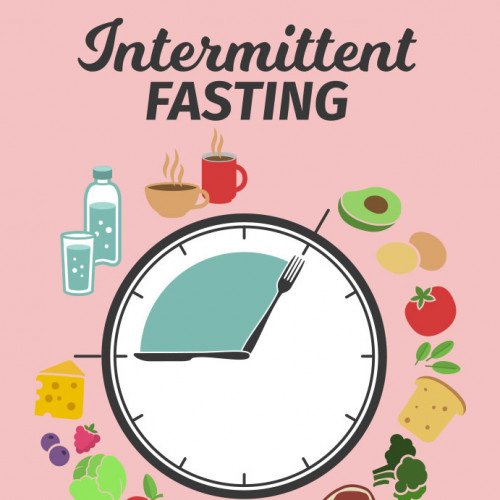
Intermittent fasting, also known as intermittent energy restriction, is an umbrella term for various meal timing schedules that cycle between voluntary fasting (or reduced calorie intake) and non-fasting over a given period.[1][2][3] Methods of intermittent fasting include alternate-day fasting (ADF[4]), periodic fasting, and daily time-restricted feeding.
VS
Paleolithic Diet
The Paleolithic diet, Paleo diet, caveman diet, or stone-age diet is a modern fad diet consisting of foods thought by its proponents to mirror those e...
The Paleolithic diet, Paleo diet, caveman diet, or stone-age diet is a modern fad diet consisting of foods thought by its proponents to mirror those eaten during the Paleolithic era.[1]
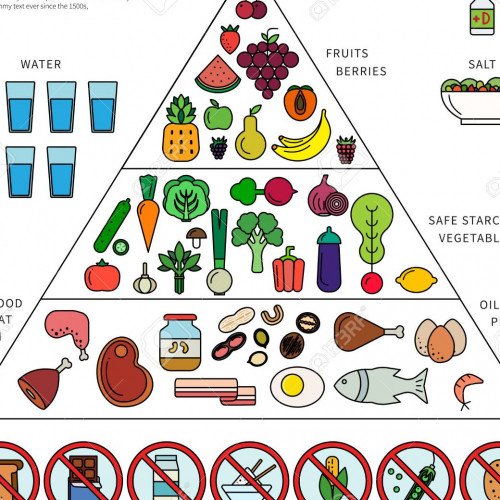
There are different variants of the diet; some are predominantly plant-based but the most recent popular variants focus on animal products.[2] The diet avoids processed food and typically includes vegetables, fruits, nuts, roots, and meat and excludes dairy products, grains, sugar, legumes, processed oils, salt, alcohol, and coffee.[3] The ideas behind the diet can be traced to primitive diets advocated in 19th century. In the 1970s Walter L. Voegtlin popularized a meat-centric "Stone Age" diet, and in the 21st century, the Paleo Diet was popularized in the best-selling books of Loren Cordain.[4] As of 2019 the paleo diet industry was worth approximately US$500 million.
In the 21st century, the sequencing of the human genome and DNA analysis of the remains of early humans has found evidence that humans evolved rapidly in response to changing diet. This evidence undermines a core premise of the paleolithic diet, that human digestion has remained essentially unchanged over time.[5] Anthropological science has found that the paleolithic human diet was more varied and less meat-centric than had been assumed.
The paleolithic diet is promoted as a way of improving health.[6] There is some evidence that following it may lead to improvements in body composition and metabolism compared with the typical Western diet[7] or compared with diets recommended by some European nutritional guidelines.[8] On the other hand, following the diet can lead to nutritional deficiencies such as an inadequate calcium intake, and side effects can include weakness, diarrhea, and headaches
Statistics for this Xoptio
Intermittent Fasting0%
0 votes
Paleolithic Diet0%
0 votes
Intermittent Fasting
Effective weight loss 50%50% Might not applicable for everyone
Paleolithic Diet
Effective weight loss 50%50% Might not applicable for everyone



Comments (0)
No comments yet. Be the first to share your thoughts!